inquiry
Leave Your Message
0%

Picking the right RTK surveying gear really makes a difference when it comes to how your project turns out. I remember what John Smith from Precision Surveys once said—he’s pretty much an expert—‘Getting good quality Rtk Equipment is key to accurate results.’ It’s a straightforward way of saying that you’ve gotta be careful and thoughtful when choosing your tools.

In this line of work, accuracy and dependability are everything. Using the wrong gear can mean mistakes—stuff like skewed measurements—that could mess up your schedule and blow your budget. So, when you're checking out options, pay attention to things like signal strength, how long the batteries last, and whether it’s easy to use. Also, make sure it plays nice with your current tech setup.

That said, even the top-of-the-line RTK equipment isn’t perfect. Some models just aren’t built for all kinds of terrain or weather conditions. Plus, folks often have a tough time with setup or calibration at first. This kind of stuff just proves that knowing your way around the equipment really helps. Picking the right gear isn’t just about specs; it’s about understanding what you actually need and maybe even chatting with the pros. After all, the key to getting accurate results isn’t just the tools—it’s also having operators who know their stuff.
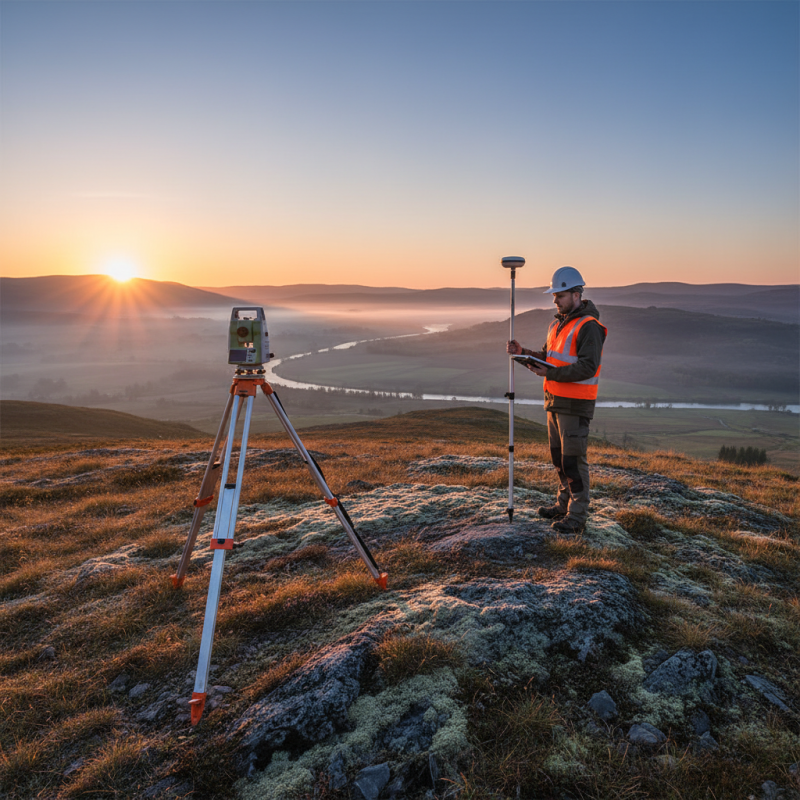
Top Tips for Choosing RTK Surveying Equipment Effectively?

Understanding RTK Surveying: Key Concepts and Benefits

RTK surveying, or Real-Time Kinematic surveying, is a precise method using GNSS (Global Navigation Satellite System) for accurate position measurements. It has become essential in various industries, from construction to agriculture. The technology delivers centimeter-level accuracy, significantly improving workflow efficiency. Understanding its key concepts and benefits is crucial before investing in Gnss Rtk Surveying Equipment.

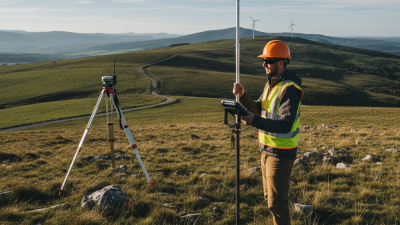
When choosing RTK Surveying Equipment, consider the terrain where you’ll operate. Different environments can influence performance. For instance, hilly areas may require more advanced models. Also, think about the equipment's compatibility with existing systems. This can save time and avoid incompatible tools.

Evaluate battery life and user interface too. Units with longer battery lives allow for extended work sessions. A user-friendly interface can reduce training time and help novice operators adapt quickly. The reliability of your equipment will directly impact survey quality. Accurately assess each unit’s durability and customer feedback. This reflection can guide you toward a more informed decision.

Types of RTK Surveying Equipment: A Comprehensive Overview

Top Tips for Choosing RTK Surveying Equipment Effectively?

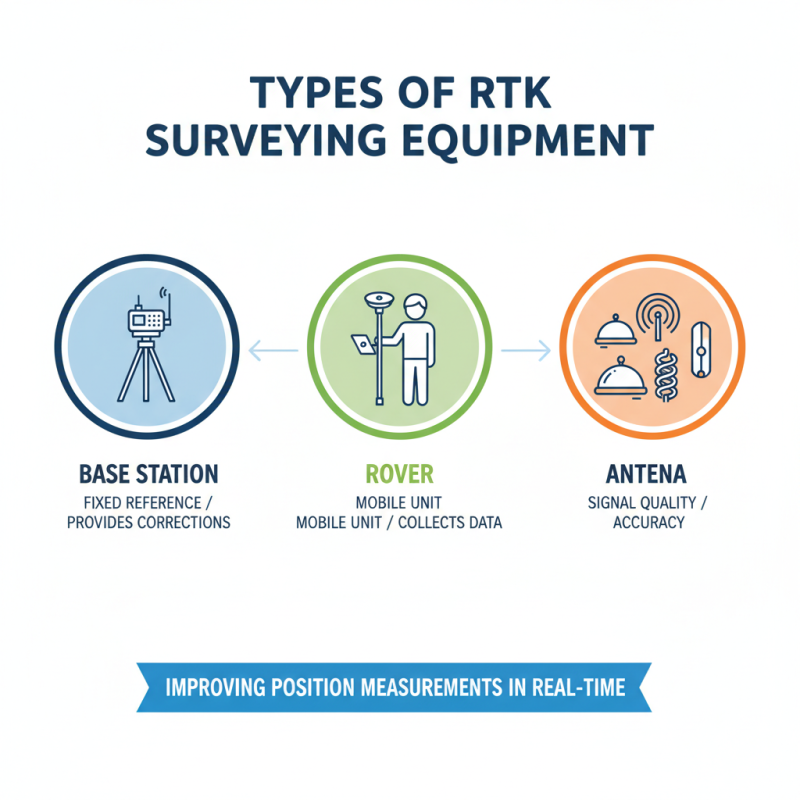
When choosing RTK surveying equipment, it's essential to understand the types available. The most common categories include base stations, rovers, and antennas. Base stations serve as fixed reference points, providing accurate data to improve position measurements. Rovers, on the other hand, are mobile units that gather survey data in real-time, allowing for efficient fieldwork. Antennas are crucial components, affecting signal quality and overall accuracy.

Delving deeper, we encounter various technologies within these categories. Different base stations may offer diverse communication methods, such as radio or cellular connections. This choice influences reliability, depending on site conditions and distance. Rovers can also vary, catering to specific tasks. Some are lightweight and portable, ideal for quick jobs, while others are robust and designed for complex projects.

It's essential to consider compatibility among components. This is not always straightforward, as manufacturers may have unique specifications. A mismatch can lead to frustrations in the field. Additionally, potential environmental factors must be evaluated. Trees, buildings, or uneven terrain can obstruct signals, impacting accuracy. Compromises may be inevitable. Each piece of equipment has strengths and weaknesses, emphasizing the importance of careful consideration in your selection process.

Factors to Consider When Choosing RTK Equipment

Top Tips for Choosing RTK Surveying Equipment Effectively?

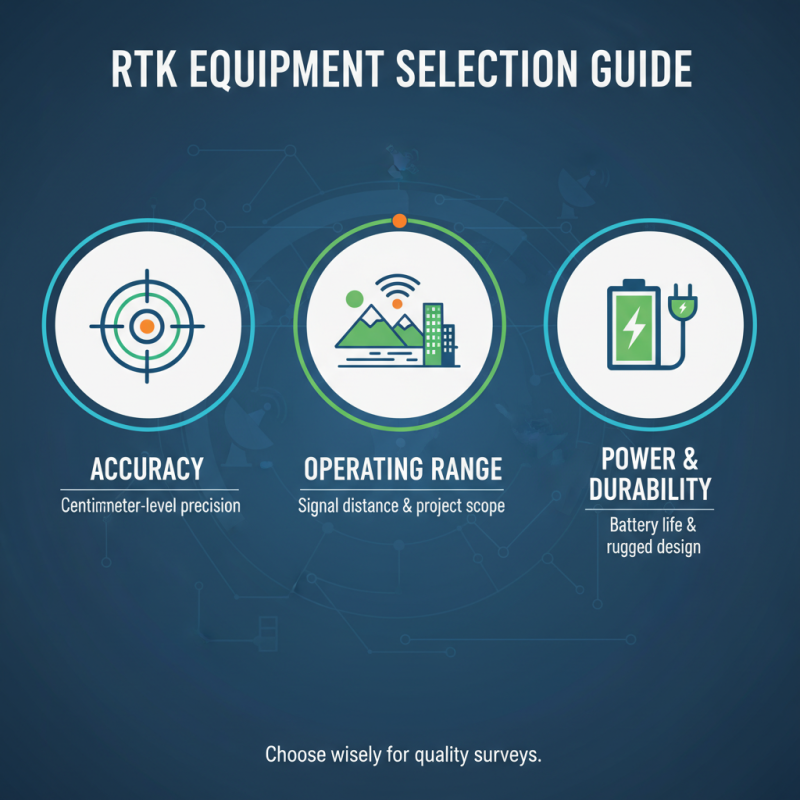
When choosing RTK surveying equipment, several essential factors come into play. Accuracy is paramount. Look for equipment that offers centimeter-level precision. This can significantly affect the quality of your surveys. Another critical aspect is the operating range. Consider how far the signal needs to reach. Equipment that only works well in short distances may limit your project scope.

Additionally, assess the user interface. A system that is intuitive and easy to navigate can enhance productivity. Complexity can lead to errors and frustrations. Compatibility with existing software and equipment is also vital. It ensures seamless integration into your workflow. Nonetheless, reflect on training requirements. A steep learning curve might hinder immediate use.

Lastly, battery life is crucial for fieldwork. Equipment with long-lasting power enables extended surveys without interruptions. Think about weight and portability, too. Heavy equipment can be cumbersome and affect productivity. Balancing these factors can lead to better decisions. Each aspect matters, sometimes more than expected.

Analyzing Accuracy and Precision in RTK Systems

When evaluating RTK systems, accuracy and precision are paramount. Accuracy refers to how close a measurement is to the true value. Precision, on the other hand, measures the repeatability of the measurements taken. In RTK systems, sub-centimeter precision is achievable, but it heavily relies on the environment and the equipment used. A 2022 industry report indicated that using high-quality base stations can improve overall accuracy by up to 30%.

Environmental factors can impact performance. For instance, obstructions like trees or buildings may cause signal degradation, leading to inaccurate readings. In some cases, the positioning of satellite constellations affects the precision of the results. Studies show that a clear line of sight to satellites increases precision significantly. Operators must be aware of these nuances when evaluating their needs.

Moreover, calibration plays a crucial role. Regularly updating equipment ensures consistent performance. A survey conducted by surveying experts revealed that improper calibration led to an error margin of over 10% in many cases. Ultimately, understanding these elements is essential for selecting the right RTK system for specific surveying tasks. Balancing cost, accuracy, and environmental considerations is vital in this decision-making process.

Evaluating Equipment Compatibility with GNSS Signals

When selecting RTK surveying equipment, compatibility with GNSS signals is crucial. Different GNSS systems utilize varying frequencies and signals. This can affect how accurately you gather data. A good understanding of these systems is vital for effective surveying. If your equipment lacks compatibility, you may face significant data losses or errors.

Consider the environments in which you will operate. Urban areas can obstruct satellite signals. Equipment that can't adapt may fail to deliver precise results. High-quality RTK equipment should support multiple GNSS constellations. This increases resilience against obstructions. Review the specifications to ensure your selected equipment meets these criteria.

Evaluate the RTK levels your equipment can achieve. Higher accuracy often requires advanced GNSS capabilities. However, this can sometimes result in added complexity. It's essential to strike a balance between desired accuracy and usability. Equipment that demands extensive expertise may not be practical for all users. Think about who will operate the equipment and their level of training.

Assessing Budget Constraints and Investment Returns

When choosing RTK Surveying Equipment, understanding budget constraints is crucial. According to a report from the American Society of Civil Engineers, inadequate planning can lead to wasted resources, with projects exceeding budgets by 10% or more. This statistic underscores the importance of aligning equipment costs with overall project budgets. Investing in high-quality surveying equipment may seem expensive initially but can lead to significant long-term savings by reducing errors and increasing efficiency.

Evaluating investment returns is also an essential part of the decision-making process. Industry studies show that proper surveying equipment can enhance productivity by up to 30%. This improvement translates to faster project completion and, ultimately, better financial returns. However, focusing solely on initial costs can lead to regrettable decisions. Opting for the cheapest equipment might compromise accuracy, leading to costly rework later on.

Surveys indicate that many professionals underestimate the total cost of ownership. Maintenance, software updates, and training can add substantial expenses over time. This emphasizes the need for a thorough cost-benefit analysis when selecting surveying equipment. Balancing upfront costs with long-term value can significantly impact overall project success.

Maintenance and Support for Long-Term RTK Equipment Usage

When investing in RTK surveying equipment, maintenance and support are key factors for long-term usage. Regular maintenance ensures the equipment operates efficiently. Dust and debris can damage sensitive components. Cleaning the equipment after each use extends its lifespan. Another critical aspect is periodic calibration. RTK tools need precise settings. A small error can lead to inaccurate data. Regular checks help maintain high accuracy.

Choosing reliable support services is equally important. Access to expert advice can help troubleshoot issues quickly. Consider whether the supplier offers training programs. Understanding the equipment’s capabilities enhances its use. Back-up resources and spare parts can minimize downtime. Having a solid support network is essential.

Lastly, always keep records of your equipment's performance and maintenance. This documentation can provide insights into potential issues. Some users overlook this aspect, which can lead to problems. A well-documented history can guide future purchases of a Surveying Equipment Set. Reflecting on these elements contributes to effective RTK surveying practices.

RTK Surveying Equipment Performance Comparison

FAQS

: What is RTK surveying?

: RTK surveying is a precise method using GNSS for accurate position measurements, offering centimeter-level accuracy.

Why is accuracy important in RTK surveying?

Centimeter-level precision directly impacts survey quality and workflow efficiency in various industries.

How do terrain conditions affect RTK equipment?

Different terrains can influence performance; hilly areas may require advanced models for reliable results.

What types of RTK equipment are available?

Common types include base stations for reference points, rovers for mobility, and antennas for signal quality.

What should I evaluate in RTK equipment?

Consider battery life, user interface, compatibility with other systems, and durability based on customer feedback.

How does the user interface impact fieldwork?

An intuitive interface can enhance productivity, while complexity may lead to errors and frustration among users.

What are potential drawbacks of RTK surveying equipment?

Some equipment can be heavy, affecting portability, while mismatches in compatibility can frustrate users in the field.

Why is battery life important for RTK surveying?

Equipment with longer battery life supports extended fieldwork without interruptions, ensuring efficiency in surveys.

What environmental factors should I consider?

Trees, buildings, and uneven terrain can obstruct signals and impact accuracy; evaluate these before choosing equipment.

How can I make better choices in RTK equipment selection?

Balancing factors like accuracy, range, and portability requires careful consideration to avoid future frustrations.

Conclusion

Selecting the right RTK surveying equipment is crucial for achieving accurate and efficient results in surveying projects. Understanding key concepts and benefits associated with RTK technology is the first step in making an informed decision. A comprehensive overview of the different types of RTK equipment available helps users identify the tools that best suit their specific needs.

When choosing RTK surveying equipment, it is essential to consider factors such as accuracy, precision, and compatibility with GNSS signals. Additionally, budget constraints and potential returns on investment play a significant role in the selection process. Maintaining and supporting the equipment over its lifespan is also vital for long-term success. By carefully evaluating these aspects, users can ensure they make effective choices that enhance their surveying capabilities.

Isabella

Isabella

Isabella is a dedicated marketing professional at Shanghai Apekstool (APEKS), where her expertise in innovative geospatial surveying and mapping products shines. With a deep understanding of the company's core offerings, which include GNSS/GPS systems, total stations, levels, theodolites, and......
Previous Why Choose Mini RTK GPS for Accurate Positioning Solutions?